North Wales
Children and Young People, Grants to charities
Media
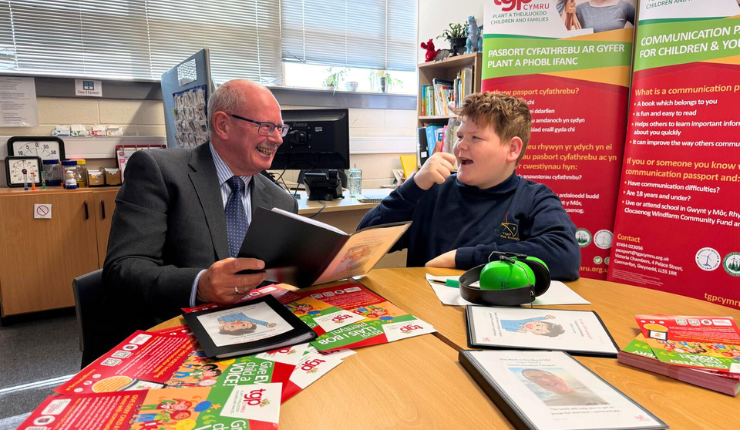
A hundred children and young people across North Wales who have communication difficulties, and, in many cases, who also have special educational needs or disabilities (SEND) will receive help and support thanks to a grant from North Wales Freemasons to TGP Cymru.
The £52,000 grant will support TGP Cymru’s Communication Passport Service, which means they will be able to create 60 new bespoke communication passports and update 40 existing communication passports for children and young people aged 18 years and under over the next two years.
The grant will help to expand the work already carried out by TGP Cymru in Denbighshire, Flintshire, Conwy and Gwynedd into Wrexham and Anglesey as well. With the support of the North Wales Freemasons grant the Communication Passport Service will now be able to support children and young people with communication needs across North Wales.
The grant will also help to fund TGP Cymru’s “Give EVERY Child a Voice” campaign which aims to raise awareness of the difficulties faced by children and young people with communication needs. TGP Cymru believes that a communication passport should be something all children and young people with speech, language and communication needs should be offered.
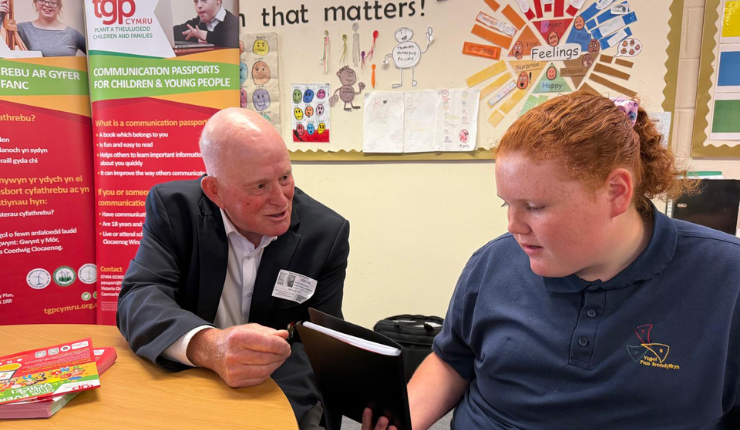
It is estimated that around 10 per cent of the population have long term speech, language, and communication (SLC) needs with conditions such as hearing loss, delayed language development, autism, and even injuries. Speech, language, and communication issues create barriers to communication with others and can significantly impact on a person’s ability to learn, socialise, and participate in daily life and can have long-term consequences on educational attainment, employment, and social mobility. In North Wales around 13,000 children and young people are estimated to have speech, language, and communication needs. This increases to and around 62,000 children and young people across Wales.
The funding will make a considerable difference in the lives of children and their families by allowing specialised practitioners to work with the children, their families, and other professionals to create a bespoke book all about that child called a communication passport. The communication passport aims to present complex information about the child, which includes photographs and pictures, in a clear, concise, and fun manner, written in the child’s voice. Information is included about what the child likes, what they don’t like, what can trigger distress, and how to help them when they are distressed, what foods they like to eat, what special interests they have and what fun things the child enjoys to do.
Presenting this information in this format is designed to support the child so that new people they meet, such as teachers or medical staff, can quickly get to know them. The child feels listened to, and more confident because their voice and their perspective has been heard and considered when providing services to them, which in turn can improve their confidence and well-being.
A child who was transitioning to high school, said their communication passport felt like a comfort blanket for them, because they knew that any teachers and teaching assistants they met at their new school, would have a deeper understanding of how she was feeling and the difficulties she might be experiencing, after reading their book. Both the child and their parent no longer feel under pressure to try and remember or explain everything to new teachers or medical staff as they have the communication passport to rely on.
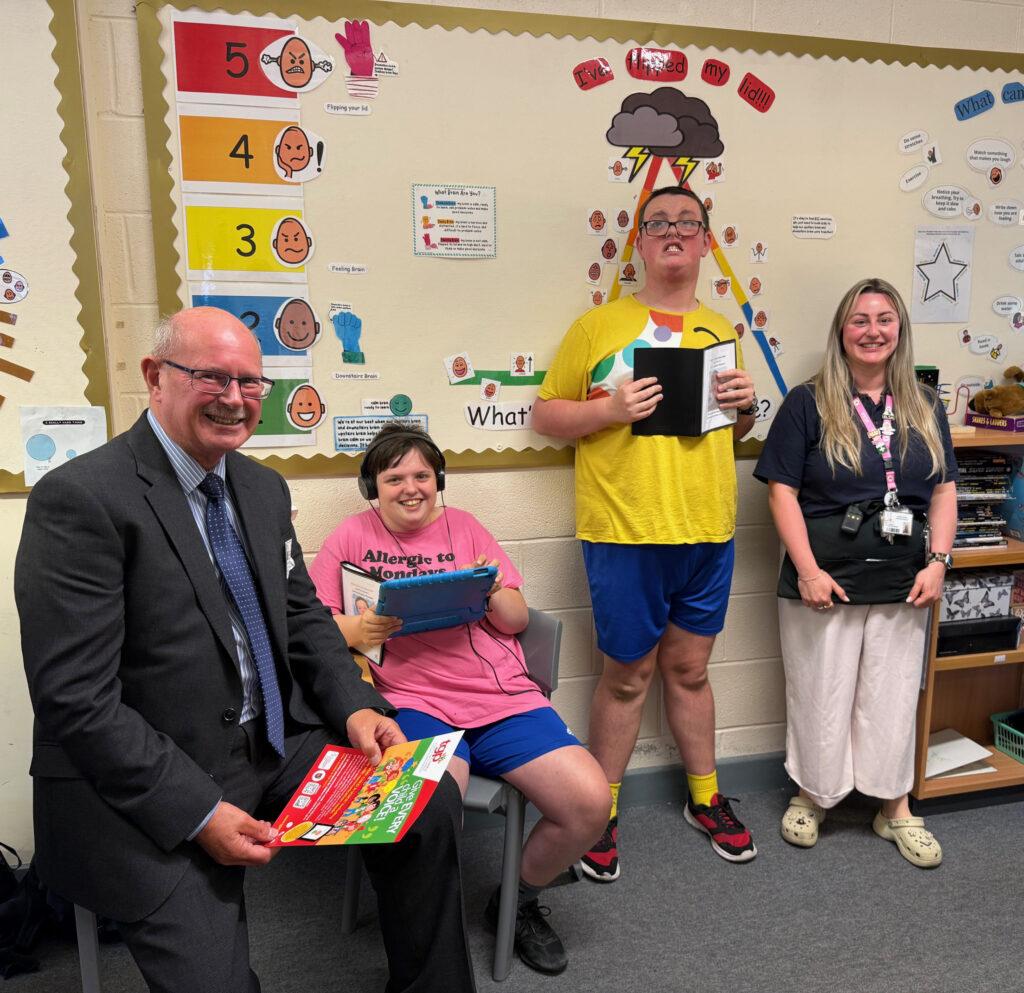
Around 94 per cent of parents and carers have said that sharing their child’s communication passport has helped others to understand their child’s needs quicker and more effectively. This means professionals such as teachers, teaching assistants and medical staff who are under time pressures are able to support the child and young person more effectively because they have the most important information about that child or young person at their fingertips. This means that having and sharing a communication passport can have a positive effect for everyone involved.
We’re very grateful to have received this generous grant from the North Wales Freemasons. We have first-hand experience of how beneficial communication passports are, not only to individual children but also to their wider family. We are excited to be able to expand our service so that even more children and families can benefit from this much needed service.
I’m very pleased we’ve been able to help TGP Cymru with their hugely important project helping children with communication difficulties. Communication passports will make sure new teachers and other carers they encounter as they grow up will understand their specific needs and preferences. This will give both parents and children much needed certainty that previous progress will be acknowledged and built upon.