Fighting loneliness with creativity: 3 proven benefits
Loneliness is something most of us will experience at some point in our lives – and for many, it’s an ongoing challenge. According to the Office for National Statistics (ONS), around one in four adults in Great Britain reported feeling lonely in early 2025, with 7 per cent saying they often or always feel this way.
Isolation doesn’t look the same for everyone. It might affect new parents adjusting to life without support, children with additional needs navigating the world, or families struggling through financial hardship. But no matter the situation, one thing consistently helps: creativity.
Whether through play, storytelling, music, or shared experiences, creative outlets give us ways to express ourselves, connect with others, and build resilience. Thanks to support from the Masonic Charitable Foundation (MCF, the Freemasons’ charity), projects across England and Wales are showing just how powerful creativity can be in tackling isolation.
Here are three of the biggest benefits:
1. Creating opportunities for shared experiences
When people come together to make, play, or create, they build connections that combat loneliness. Shared experiences create a sense of belonging and help individuals feel valued.
For example, families raising autistic children often struggle to access leisure activities. With a £15,000 grant from Yorkshire, West Riding Freemasons, the Airedale & Wharfedale Autism Resource (AWARE) group are offering residential weekend breaks, youth clubs, cookery sessions and more. These activities not only give families joyful memories but also reduce isolation by creating inclusive spaces where everyone can participate.
2. Building safe and inclusive spaces
Creativity is more than a pastime – it’s a way for people to express identity and connect beyond words. When it’s at the centre of community programmes, it helps foster dignity, belonging, and inclusivity.

The Dragonflies Toddler Group in Guernsey is a great example. Supported by a £60,000 grant from local Freemasons, it provides play opportunities, sensory exploration, and story time for young children. But just as importantly, it gives parents and carers a welcoming place to meet others and build friendships – something that can make all the difference when you’re feeling isolated.
3. Strengthening resilience through peer connection
Creative activities help us process emotions, problem-solve, and adapt. This builds resilience, especially in difficult circumstances.
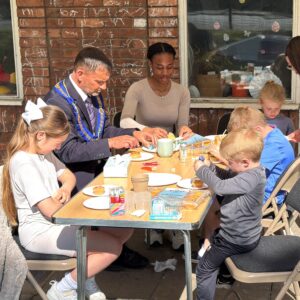
In Sefton, where many families live with persistent poverty, the Venus Charity’s Family Navigation Worker project is helping parents with children aged 0–5 find early support. With a £60,000 grant from West Lancashire Freemasons, the project runs weekly drop-ins and peer groups that combine practical guidance with opportunities for creative expression. Families gain stronger networks, and children benefit from better development opportunities before starting school.
Connection over isolation
With so many people reporting loneliness in the UK, it’s clear that isolation is not just a personal issue but a shared societal challenge. The good news is that creative projects like these are proving that connection, resilience, and belonging can be nurtured.
When people are given safe spaces to share experiences and express themselves, they replace loneliness with community – and that benefits us all.